

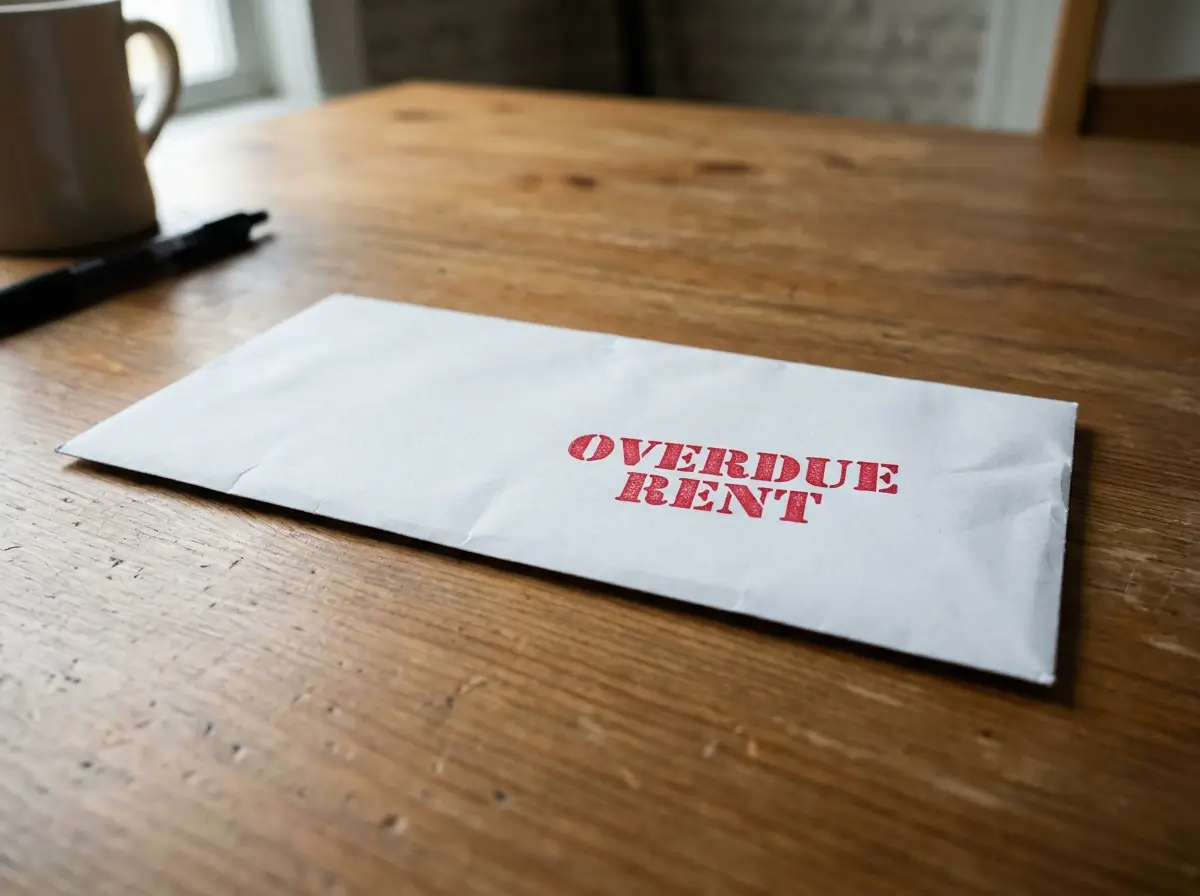
Late rent is something that every landlord will eventually face. Even if you screen your tenants thoroughly, you can’t predict the issues they may face. A renter can be one medical crisis away from being unable to pay rent for the month, and how you address the situation matters depending on your resident’s circumstances.
A calm, documented, legally compliant approach protects your income and keeps you out of court trouble. A rushed or improper one can hand the tenant a defense and cost you months of lost rent. Here’s a walkthrough of the proper steps to take.
Key Highlights:
- Check the lease first. Georgia has no statutory grace period or late-fee cap, so your lease governs the due date, late fees, and notice procedures. Anything you charge must be clearly stated and reasonable.
- Communicate early and in writing. Reach out as soon as rent is late, and keep a record by email, text, or a written summary of any call. These records matter if the case reaches court.
- Consider a written payment plan. For tenants with a good history, a signed plan with specific amounts and dates often costs far less than eviction, turnover, and vacancy costs.
- Never use self-help eviction. Changing locks, shutting off utilities, removing doors, or discarding belongings can bring civil penalties, lawsuits, and even criminal charges. Only a court-ordered writ of possession can lawfully remove a tenant.
- Follow the legal process and document everything. Send a proper written notice under Georgia's Safe at Home Act, file a dispossessory action if needed, and bring organized evidence to the hearing. Missing even one step can derail your case.
1. Start with the Lease
Even if you already know the lease by heart, it’s still good practice to check the terms, especially if not all your leases are the same. Since Georgia does not provide a statutory grace period for rent, rent is considered late unless your lease agreement states otherwise. Check the lease for:
- The due date and accepted payment methods
- Any grace period you choose to offer
- Late fee amount and when it applies
- Notice procedures and how notices are delivered
- Provisions on returned-check fees and attorney’s fees
Georgia doesn’t have laws for late fees either, which means you can charge as much or as little as you need. Regardless, this must still be stated clearly in the lease agreement. It’s also best to avoid excessive late fees to avoid legal issues or tenant dissatisfaction.
2. Contact the Tenant Promptly
The earlier you contact the tenant, the faster this problem gets resolved. There’s a chance your tenant simply forgot the rent is due, and a reminder would fix it immediately. It can also be caused by a delayed paycheck, a banking error, or a temporary hardship.
A friendly but firm message is usually the best first step. Ask when payment will arrive and remind the tenant of the late fee. Make sure your communication is recorded for reference, so use email, text, or a follow-up phone call with a written summary. This will matter when the case reaches court.
3. Consider a Written Payment Plan
If the tenant has a good history and a credible explanation, a payment plan is worth considering. It costs way less than an eviction, given how quickly turnover, vacancy, cleaning, and court costs add up. Agreeing to a payment plan can show goodwill to your residents and help you avoid a tedious eviction process.
If you do agree to a plan, put it in writing and have both parties sign it. You should include crucial details such as the exact amount, the dates, and confirmation that the lease otherwise remains in force.
Mention that missing a payment under the plan allows you to proceed with legal action. Hire an attorney to word your agreement correctly.
4. Never Choose Self-Help Eviction
This is an important rule in most states, including Georgia. Even if a tenant fails to pay rent, you can’t forcefully evict them by changing the locks, shutting off utilities, removing doors, or throwing out their belongings. Things will not go your way when your renter files a lawsuit.
Only a court process ending in a writ of possession can lawfully remove a tenant. Although it can be a lengthy process and will incur court costs, illegal evictions will cause more damage. You can face severe civil penalties, financial lawsuits, and even criminal charges.
5. Send Proper Notice
Before you even consider an eviction, you are required by Georgia’s Safe at Home Act to provide a 3-day grace period for unpaid rent or utilities. A written notice period is needed before a dispossessory case can be filed. Your notice should:
- Be in writing and dated
- Identify the tenant and the rental address
- State the exact amount of rent and any lawful fees owed
- Give the deadline for payment of overdue rent
- Be delivered in a manner allowed by the lease and Georgia law, with proof of delivery
The new requirements only take effect in 2024, so it’s important to stay up to date on the laws to avoid unknowingly violating them. When in doubt, hire a legal professional or a property manager to help you navigate delinquent rent or evictions.
6. File a Dispossessory Action
If the tenant neither pays nor vacates by the deadline, the next step is to file a dispossessory affidavit, Georgia’s eviction filing. The steps are as follows:
- File the affidavit with the court. State the amount owed and the grounds for possession. You can also request unpaid rent and related amounts.
- Serve the tenant. The tenant is served by a sheriff's deputy or marshal, or by posting and mailing if personal service isn't possible.
- Wait for the tenant's answer period. The tenant typically has seven days after service to file an answer with the court.
- Default or hearing. If the tenant does not answer, you may request a default judgment and a writ of possession. If the tenant answers, the court sets a hearing.
- Acquiring the writ of possession. If you win, the court issues a writ, and the sheriff's office carries out the removal. Only the sheriff can do this, not you.
Again, this course of action requires you to follow the law to the letter. If you aren’t familiar with the process, attorney fees are a small price to pay. Failing to follow even one step can derail your entire case, and you will end up paying higher costs.
7. Prepare Your Evidence
You will need hard evidence to win your case, and the judge will expect you to provide the following:
- The signed lease and addenda
- Payment records and balances
- Copies of the demand notice and proof of delivery
- Written communications with the tenant
- Any payment plan agreements
- SCRA verification, if relevant
Organized records will serve you better and can make the difference in a short magistrate court hearing. Losing evidence can mean losing the case, so keep backups of your documents and consider cloud storage for digital files.
FAQs
1. Does Georgia have a grace period for late rent?
- No. Georgia does not provide a statutory grace period, so rent is late once the due date passes unless your lease says otherwise. You may offer a grace period in your lease if you choose.
2. How much can I charge for a late fee?
- Georgia does not set a legal limit on late fees. The fee must still be stated clearly in your lease, and it is best to keep it reasonable to avoid legal issues or tenant disputes.
3. What should I do first when rent is late?
- Contact the tenant promptly with a friendly but firm message. Ask when payment will arrive and remind them of the late fee. The delay may be due to a forgotten due date, a delayed paycheck, or a banking error.
How Effective Property Management Can Prevent It
While instances of late or unpaid rent can’t be completely avoided, they can be significantly reduced through effective tenant screening and strict but fair lease enforcement. That’s what Ten 20 Property Management can do for you. Our comprehensive services ensure you find the right tenants for your rental and that the property remains in good condition.
Feel free to reach out to us, and let’s make sure your business grows with you.
More Resources:
The Cost of an Unsuccessful Tenant Placement
How Landlords Can Reduce Turnover for Multifamily (Or Any) Properties